Yes, within limits: a real body of research links inhaling essential oils to short-term changes in mood and anxiety, largely because scent has a direct route to the brain's emotional centres. The evidence is genuine but modest, concentrated mostly in lavender and a handful of other oils, and it describes a noticeable easing of stress rather than a cure for anything. Aromatherapy massage works because it pairs that scent pathway with the already well-documented calming effect of touch.
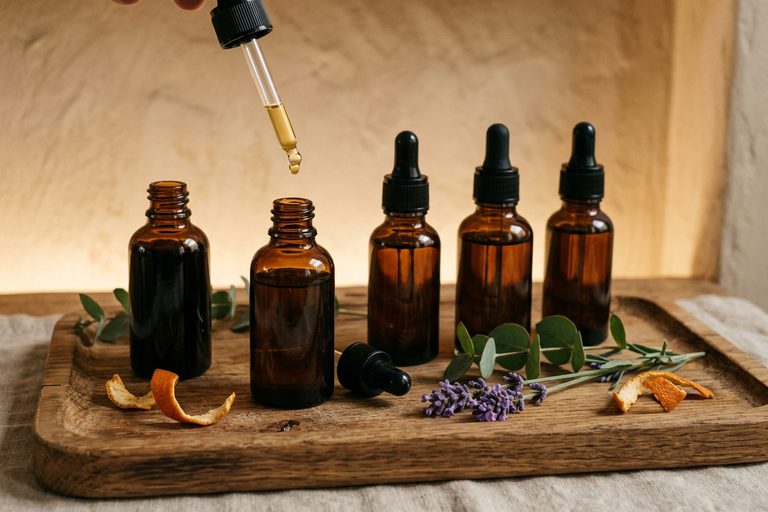
Is there real science behind aromatherapy, or is it just a nice smell?
There is real science, and it starts with anatomy rather than belief. The nerves that detect smell connect almost directly to the limbic system, the part of the brain that governs emotion, including the amygdala and hippocampus. That is a genuinely unusual pathway: most senses pass through several relay points before reaching emotional processing centres, while smell gets there quickly. The Mayo Clinic notes that aromatherapy is thought to work by stimulating smell receptors that send signals through the nervous system to this emotional centre of the brain, which is a fair, unembellished summary of the mechanism.
What does the research actually show?
Lavender has the strongest evidence base by some distance. A systematic review of clinical trials covering nearly a thousand participants found that in 10 of 11 trials, inhaling lavender oil significantly reduced measured anxiety levels. Researchers point to lavender's interaction with GABA receptors and its apparent effect on cortisol as plausible explanations, though the exact mechanism is still being studied. Other oils, including bergamot and chamomile, show smaller but consistent evidence for easing stress and low mood in inhalation studies. None of this amounts to essential oils treating anxiety disorders or depression as a medical condition, and no credible source claims that it does.
Where should you stay sceptical?
The Mayo Clinic is direct about the limits: essential oils are not regulated by the FDA the way medicines are, most trials are small, and questions remain about how oils interact with medications, skin sensitivity and pregnancy. The Cleveland Clinic frames aromatherapy as a reasonable complement to established care, not a replacement for it. That is the honest position, worth holding onto against marketing that promises essential oils will cure serious conditions. What the evidence supports is more modest, and still useful: a genuine, short-term lift in mood and reduced perceived stress for many people, most reliably through inhalation.
Why does this matter for aromatherapy massage specifically?
Because a massage adds the second, better-established half of the equation. Slow, rhythmic touch is independently associated with lower stress and a calmer nervous system, regardless of what oil is used. An aromatherapy massage combines that touch with a blend chosen for how you want to feel, so you inhale the oil throughout the session rather than for a brief moment. It also stays gentler in pressure, closer to a Swedish massage, suiting its purpose of calming the nervous system rather than working deep into muscle. If your main need is physical, stubborn tension, a deep tissue massage will do more for the muscle itself.
The honest takeaway
Essential oils are not a medical treatment, and nobody at a reputable spa should tell you otherwise. But the research on scent and mood is real, published in peer-reviewed journals, and consistent enough across studies that it is not simply a placebo story. Paired with touch, in a calm room, with no phone and nowhere to be, it adds up to a genuinely different hour than an unscented massage: not because of magic, but because of a scent pathway to the brain that happens to be shorter than most.
Frequently asked questions
Can essential oils cure anxiety or depression? No, and no responsible source claims they can. The evidence supports short-term reductions in perceived stress and anxiety symptoms, particularly with lavender, but essential oils are not a substitute for medical or psychological treatment of diagnosed conditions.
Which essential oils have the strongest research behind them? Lavender has by far the most clinical evidence for easing anxiety and supporting sleep. Bergamot, chamomile and clary sage also show consistent, if smaller, effects in inhalation studies, which is why they appear often in aromatherapy blends.
Is aromatherapy massage safe for sensitive skin? Usually yes, since oils are diluted in a carrier oil before they touch the skin, but reactions are still possible. A good therapist asks about allergies and sensitivities beforehand and leaves out any oil you are unsure about.
If you would like to feel the difference for yourself rather than read about it, Nola Wellness Spa in Kakkanad blends every aromatherapy session around how you want to feel that day. Call or WhatsApp us on +91 99955 56302 to book.