Some research suggests massage can modestly lower blood pressure in the short term, largely by promoting relaxation, easing tension in blood vessel walls, and improving circulation. The evidence is real but mixed, with newer, more rigorous reviews finding smaller effects than earlier ones. Massage should be treated as a relaxing complement to a healthy lifestyle, not a treatment for hypertension, and it is not a substitute for medical care or prescribed medication.
Can a massage actually lower blood pressure?
Several clinical trials have measured blood pressure before and after massage sessions in people with hypertension or prehypertension, and a number report a drop in both systolic and diastolic readings afterward. Cleveland Clinic notes that massage therapy can improve circulation and may help lower heart rate and blood pressure, in part by promoting vasodilation, the widening of blood vessels that eases pressure on their walls. That said, this is generally a short-term, session-level effect rather than a proven long-term treatment for chronic high blood pressure.
What does the research say, honestly?
This is where nuance matters. Some meta-analyses of randomized controlled trials have found a meaningful average reduction in blood pressure among people with hypertension who received regular massage, compared with control groups. But a more recent meta-analysis, published in the Journal of Bodywork and Movement Therapies, reached a more conservative conclusion: it found only a minimal reduction in blood pressure across the studies reviewed. A separate systematic review in the Journal of Human Hypertension similarly called for larger, better-designed trials before massage could be considered a reliable therapy for essential hypertension. In plain terms: the direction of the evidence is encouraging, but the size of the effect is genuinely uncertain, and researchers are not yet in full agreement.
How might massage support circulation and heart health?
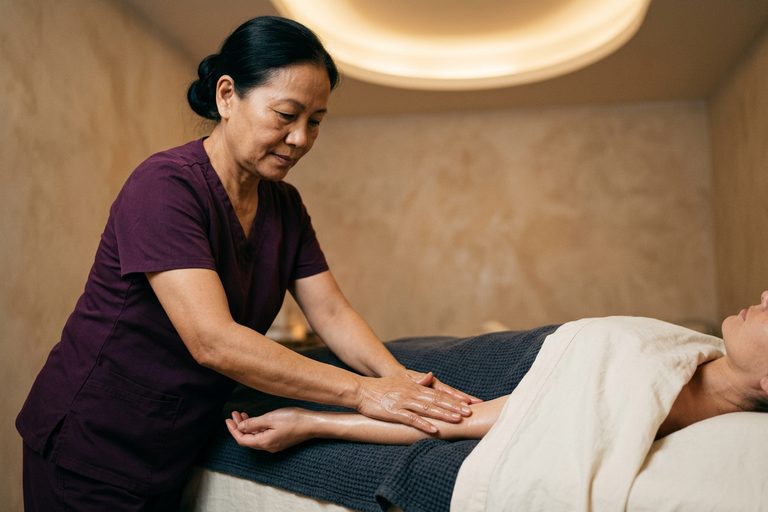
The proposed mechanism is straightforward. Slow, rhythmic strokes directed toward the heart, the kind used throughout a Swedish massage, encourage blood flow through the muscles and appear to have a more favorable effect on blood pressure in studies than firmer, more stimulating techniques like trigger point work. Alongside this, massage reliably lowers heart rate and activates the parasympathetic nervous system, the body's rest-and-digest state, which is closely linked to healthier blood pressure in the moment. None of this makes massage a treatment for cardiovascular disease, but as one part of a calmer, less stressed routine, it is a reasonable, low-risk addition.
What massage cannot do
It is worth being direct here: massage is not a substitute for blood pressure medication, and it should never replace a doctor's care for diagnosed hypertension or heart disease. If you have uncontrolled high blood pressure, a history of blood clots, or any cardiovascular condition, check with your doctor before booking firm or deep pressure work, and always tell your therapist about any diagnosed condition beforehand. A relaxing session can be a genuinely pleasant, low-stress addition to how you manage your health, but it works alongside medical treatment, never in place of it.
A sensible way to think about it
If your goal is general relaxation and stress reduction, with a possible gentle benefit to circulation and blood pressure in the hours after your session, massage is a reasonable and enjoyable choice. A gentle, flowing Swedish massage or a calming aromatherapy massage fits this goal better than very firm, deep work, which some studies suggest may not have the same relaxing effect on blood vessels.
Frequently asked questions
Can massage replace blood pressure medication? No. Massage may offer a modest, temporary relaxation effect, but it is not a proven treatment for hypertension and should never replace medication or medical advice. Always continue treatment prescribed by your doctor.
Is massage safe for people with high blood pressure? For most people with well-managed blood pressure, gentle to moderate massage is generally considered safe and often relaxing. If your blood pressure is uncontrolled or you have a cardiovascular condition, check with your doctor first and let your therapist know before your session.
Which type of massage is best for relaxation and circulation? Research points to gentle, flowing techniques, such as Swedish massage, as more consistently linked to relaxation and short-term blood pressure benefits than very firm or deep pressure work.
Nola Wellness Spa in Kakkanad offers a calm, private space to unwind with a gentle Swedish or aromatherapy massage as part of a healthy routine; we're open daily, 11 am to 9:30 pm. Call or WhatsApp +91 99955 56302 to book, and do check with your doctor first if you have a diagnosed heart or blood pressure condition.