A massage does more than feel good in the moment. Within minutes, sustained pressure and rhythmic strokes begin shifting your nervous system out of "fight or flight" and into "rest and digest," while increased blood flow, loosened muscle fibers and changing hormone levels work together to produce the calm, loose feeling you carry out of the room. Here is what is actually happening, step by step.
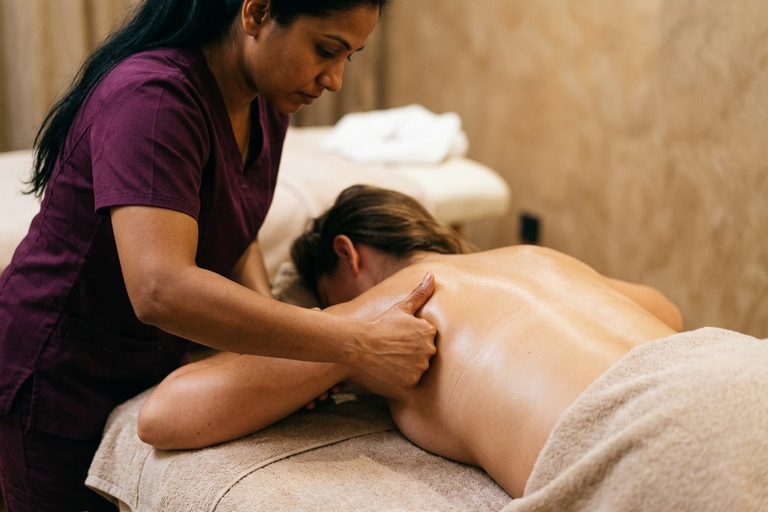
What happens to your nervous system during a massage?
Your body runs on two main settings: the sympathetic nervous system, which drives alertness and stress, and the parasympathetic nervous system, which handles rest, digestion and recovery. According to Cleveland Clinic, massage therapy works largely by slowing down the sympathetic response and activating the parasympathetic one, which is why heart rate, blood pressure and breathing rate tend to drop during a session. A study published in the International Journal of Neuroscience found that moderate pressure massage in particular triggers this parasympathetic shift, more so than very light, feather-touch strokes. This is part of why a firmer style, like a deep tissue massage, can feel just as calming as a gentle one, even though the pressure is stronger.
What happens to your muscles?
Muscle tissue that is tense or overworked tends to hold tight bands and knots, sometimes compressing the small nerves that run through it. Direct pressure and kneading help lengthen and separate these muscle fibers, easing the tightness and, in many cases, taking pressure off the surrounding nerves. This is a mechanical effect as much as a nervous system one: it is why specific, sustained work on a problem area, such as a stiff neck or a tight lower back, tends to bring more noticeable relief than a light, brief rub.
How does massage affect blood flow?
Strokes applied toward the heart help move blood through congested tissue, which is part of why a massaged limb often feels warm and light afterward. Better circulation supports the delivery of oxygen and nutrients to muscle cells and helps carry away metabolic waste, including the buildup that follows exercise or long periods of poor posture. It is a modest but real physiological effect, and it is one reason athletes and people recovering from physical strain often turn to a sports massage as part of their routine.
What happens to your stress hormones and mood chemicals?
Alongside the nervous system shift, massage is associated with measurable changes in body chemistry. Research reviewed by Cleveland Clinic and published in the International Journal of Neuroscience has linked massage therapy to decreases in cortisol, the body's primary stress hormone, alongside increases in serotonin and dopamine, the neurotransmitters involved in mood regulation. The size and consistency of these changes vary between studies, but the general direction, calmer body chemistry after a session, is well supported.
How long do the effects last?
The nervous system shift and the muscle relief are usually most pronounced in the hours immediately following a session, which is why many people report their best sleep on massage nights. Some effects, like eased muscle tightness, can persist for days, especially after firmer, more targeted work. Regular sessions, spaced every few weeks, tend to keep the nervous system from climbing back to its pre-massage baseline, which is part of why people who receive massage consistently often describe cumulative, longer-lasting benefits rather than a one-off reset.
Frequently asked questions
Does massage actually change your body chemistry, or is it just relaxation? Both. The subjective feeling of relaxation is backed by measurable physiological changes, including a shift toward parasympathetic nervous system activity and, in a number of studies, reductions in cortisol alongside increases in serotonin and dopamine.
Why does firm pressure sometimes feel more relaxing than light pressure? Research suggests moderate to firm pressure is more effective than very light, superficial touch at triggering the parasympathetic "rest and digest" response, which may explain why many people find deep, deliberate work more calming than a light surface rub.
Do the physical effects of massage last after you leave the spa? Some do. Eased muscle tension and improved circulation can last for a day or more, and regular sessions tend to compound these effects over time rather than resetting to zero between visits.
If you would like to feel these changes for yourself, Nola Wellness Spa in Kakkanad offers a full range of therapies from gentle Swedish massage to our house blend, the Nola Signature massage, in 100% private rooms, open daily from 11 am to 9:30 pm. Call or WhatsApp +91 99955 56302 to book your session.